Everyone has experienced this at some point. After 2 A.M., your worries multiply, and your unfinished tasks threaten your upcoming day with an ever-growing, anxiety-laden
Published on
Table of contents
A migraine headache is a form of a severe headache and is accompanied by a host of other symptoms. Migraines can interfere with daily routine and family time and can even lead to insomnia. The symptoms can cause someone to feel drained and completely exhausted. These symptoms can include a headache that worsens with time, nausea, and a sensitivity to light and sound.
Some people want to know what a migraine headache is and what causes them to have frequent migraine headaches while other people never have them. The field of medicine has improved a lot in recent years and has started to explain some of the causes of migraine headaches, yet there is no definitive explanation. Each person can have different causes and triggers that lead them to have a migraine.
To see how migraine headaches develop, it is helpful to know that we now consider migraines to be a neurological issue as opposed to just a blood vessel issue. A migraine starts from the over activity of certain neurons in the brain. This activity sets off the release of inflammatory agents around the nerves and blood vessels, which in turn mainly affect the trigeminal nerve the large nerve that handles facial sensation. These inflammatory chemicals increase pain sensitivity and present what we experience as a pulsating headache during a migraine attack. There is also a role for genetic, chemical, hormone, sleep and diet changes, stress, and environmental factors into the mix. Though each person’s migraine may present in a different way, the final outcome is typically very painful head pain along with a host of other symptoms.
Understanding the causes of severe migraine headache can help patients identify their personal triggers and reduce the frequency of attacks.
Some of the most common causes include:
It is important to remember that triggers vary from person to person. What causes a migraine in one individual may have no effect on someone else.
Migraines often involve much more than head pain. Recognizing the severe headache symptoms early can help you seek timely treatment.
Common symptoms include:
If you suddenly develop the worst headache of your life, experience weakness, confusion, loss of consciousness, or difficulty speaking, seek emergency medical attention immediately, as these symptoms may indicate a condition other than migraine.
In many cases what is ignored is the connection between migraine headaches, Temporomandibular Joint (TMJ) disorders, and sleep bruxism. The TMJ is the joint which attaches the lower jaw to the skull. Issues with this joint or the muscles around it may produce pain which travels to the temples, forehead, ears, neck, and face. In that which pain patterns are similar the diagnosis may not be put together for some years. Also, people that grind or clench their teeth during sleep what is known as sleep bruxism also put great strain on jaw muscles each night. This repeated muscle overwork can cause muscle fatigue, inflammation, and trigger points which in turn may cause frequent headaches or in which an individual is prone increase the severity of present migraine attacks.
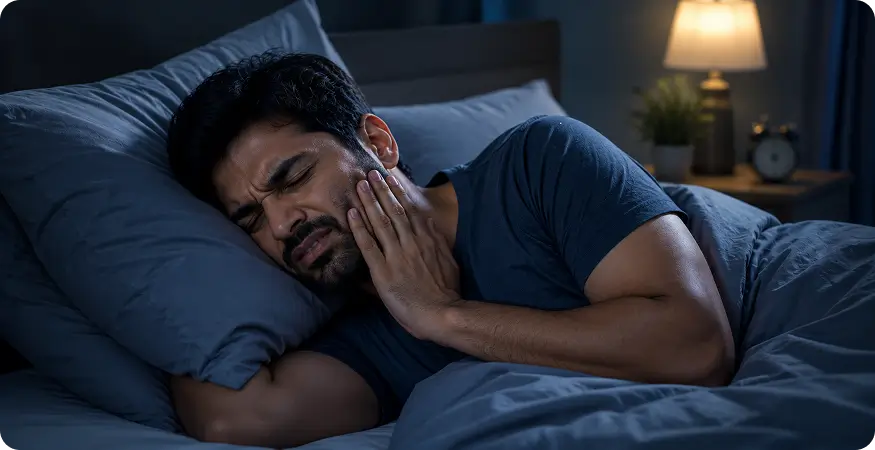
Patients often wake up with:
These symptoms should never be ignored, as they may indicate an underlying TMJ disorder or sleep-related jaw muscle dysfunction.
Many of my patients report to me that they go online to research cure for their severe headaches, they are looking for that quick fix. What I have to tell them is that there isn’t a one size fits all cure. In successful management of migraines we do what it takes to identify and treat the causes which may be unique to that person. Treatment may include:
If you are experiencing migraines it is possible that over activity of the jaw muscles or TMJ dysfunction is a factor in which case treatment may greatly reduce the frequency and severity of your attacks.
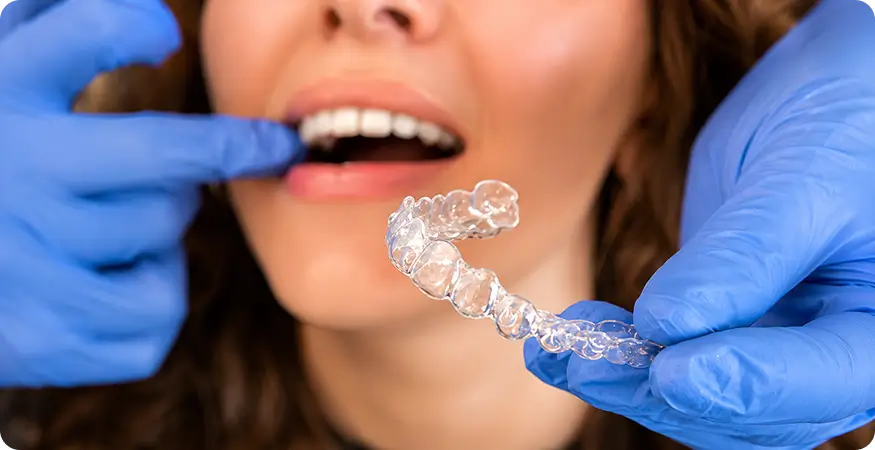
For patients diagnosed with Sleep Bruxism and TMJ issues, we may find that custom made oral appliances play a large role in the treatment/management. As opposed to mass produced mouthguards from the store, professional grade oral devices we make for you are based on the results of an in depth study of your bite, your jaw movement, the activity in your muscles, and your total oral health. Also these appliances can:
For some patients we may see that reduction in sleep time muscle activity which in turn will decrease the frequency of headaches when bruxism or TMJ dysfunction is a issue.
When your headaches are increasing in frequency, duration, and resistance to medication, it’s worth understanding what is going on. It may be your mouth and jaws (TMJ), a sleep disorder (sleep grinding/bruxism), or a combination of these with your headaches. We can help determine this through a proper assessment and give a treatment that is more personalized and also not just cover things up with painkillers.
Understanding how migraine headache occurs is the first step toward finding lasting relief. While neurological changes remain central to migraine, many patients also have contributing factors such as TMJ disorders, sleep bruxism, poor sleep quality, or chronic muscle tension that deserve equal attention.
If you experience recurring migraines along with jaw pain, teeth grinding, facial muscle fatigue, or morning headaches, a comprehensive TMJ evaluation may reveal an important piece of the puzzle. With the right diagnosis and a personalized treatment plan: including custom-made oral appliances when appropriate: it is possible to reduce discomfort, improve sleep quality, and help you regain control over your daily life.
Contact us
Our other blogs

Everyone has experienced this at some point. After 2 A.M., your worries multiply, and your unfinished tasks threaten your upcoming day with an ever-growing, anxiety-laden

7 Common Causes of Pain in the Cheek Muscles
Pain in the cheek muscles can cause soreness, tightness, or discomfort around the jaw and face. Many people notice the pain while chewing, speaking, yawning,

TMJ Ear Jaw Joint Pain: Causes, Symptoms & Treatment
Pain near the ear isn’t always caused by an ear infection. Sometimes, the real problem starts in the jaw joint. Many people notice ear jaw
WhatsApp us