

How to Improve Sleep Apnea: Tips for Better Sleep
Waking up tired after what should have been a full night of sleep can be incredibly frustrating. You may go to bed for eight hours,
Published on
You brush your teeth, rinse well, and even chew gum before going out. But that little doubt lingers in your mind. What about being caught by somebody? What is to happen in the event they move away during the conversation?
That is the actual bad smell in your mouth. It is not only about smell, but about your self-confidence, interactions, and social ease. This issue is swept under the carpet by many individuals, yet clinically proven halitosis may affect self-esteem and daily interactions.
The good news? In the majority of cases, the reason is within your influence. It is so easy when you know why the smell is so.
Bad breath in the mouth occurs as a result of bacteria that break down any remaining food. In the process, they emit sulfur compounds, which cause a bad smell. This situation is referred to as halitosis.
It does not necessarily imply bad hygiene. You can brush every day and still continue to smell. In some cases, the root cause is unknown – including gum issues, dry mouth, tongue bacteria, or even some health conditions.
The first step is to identify the exact causes of bad smell in the mouth so as to select an appropriate treatment.
It can never be a single reason, and this is why many individuals are confused. The most prevalent causes are given in a clear manner here.
This is the most common cause, and many people don’t realise they’re missing small steps. When you rush brushing or skip flossing, food particles stay trapped between teeth. Bacteria feed on these particles and release odor-causing gases, which lead to bad smell in mouth.
Your tongue also holds bacteria. If it’s not cleaned properly, a coating forms and becomes a source of persistent odor. Brushing twice daily for 2 minutes, flossing once a day, and cleaning your tongue can significantly reduce your bad breath problem.
If your gums bleed, feel swollen, or look red, it may be an early sign of gum infection. When gum disease develops, tiny pockets form between the teeth and gums. Bacteria collect in these spaces and are difficult to remove with brushing alone.
Cavities also trap food and allow bacteria to grow inside the tooth structure. Both conditions can make bad smell in mouth stronger and long-lasting. In such cases, professional dental cleaning or treatment is necessary to remove the source of infection.
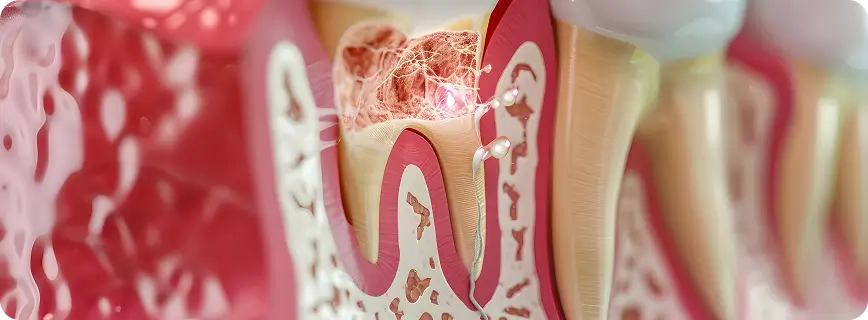
Saliva naturally cleans your mouth. It washes away food particles and controls bacterial growth. When saliva production reduces, the mouth becomes dry and bacteria multiply more easily, leading to odor.
Dry mouth can occur due to dehydration, certain medications, mouth breathing, or stress. If you frequently experience strong morning breath or dryness throughout the day, this could be the cause. Drinking enough water and addressing the reason for dryness can help reduce bad smell in mouth.
Strong-smelling foods like garlic and onions enter your bloodstream after digestion and can affect your breath for hours. Smoking and chewing tobacco leave chemical residues in the mouth and also damage gum health.
Alcohol dries out the mouth, which encourages bacterial growth. If these habits are regular, they may be contributing to bad smell in mouth without you noticing the pattern. Adjusting lifestyle habits often improves your breath significantly.
Sometimes, even when you brush properly and keep your mouth clean, the smell doesn’t go away. That’s because the cause may not be your teeth at all. Sinus infections can cause mucus buildup, tonsil stones can trap bacteria, and acid reflux can push stomach acids upward, all of which can affect your breath.
In some cases, uncontrolled diabetes can also change breath odor. So if regular dental care isn’t fixing the problem, the real mouth smell solution may involve checking your overall health. And that brings up an important question. What’s the solution?
In some cases, the smell emanating from the mouth signals more serious underlying issues. In some cases, persistent mouth odour can be one of the first signs of gum disease, an active infection in the mouth, or both. There are also cases in which the bacteria are located in areas that are “pockets” around the teeth that are difficult to access with a regular toothbrush
Of course, the more common triggers like smoking and drinking alcohol are not the only causes. In some cases, high-protein, low-carb diets can lead to the production of certain types of chemicals (ketones).
If you’re dealing with this often, you don’t need complicated treatments. You need the right steps, and you need to follow them consistently. When you focus on the cause, improvement becomes practical and steady.
Brush your teeth twice a day, and make sure you’re not rushing through it. Spend at least 2 minutes, and clean with gentle but thorough strokes. Floss once daily because your toothbrush can’t reach between teeth. And don’t skip your tongue, since bacteria settle there easily.
When you stick to this routine every day, bacterial buildup reduces, and bad smell in mouth starts improving. It won’t change overnight, but if you stay consistent, you’ll notice the difference.
If your mouth feels dry during the day, that’s a sign you need more fluids. Drink water regularly, and if needed, chew sugar-free gum to stimulate saliva.
Saliva helps wash away food particles and control bacteria, so when your mouth stays moist, bacteria don’t grow as quickly. In mild cases, simply increasing your water intake can reduce bad smell in mouth within days.
Check your mouthwash If it contains alcohol, it may dry your mouth further, and that can make the problem worse. Choose an alcohol-free option, and remember that mouthwash only masks odor temporarily.
If you’ve been diagnosed with gum issues, follow your dentist’s advice and use prescribed rinses. That targeted approach offers a more dependable mouth smell solution instead of just short-term relief.
Even if you brush daily, tartar can still build up over time, and you can’t remove it at home. Professional scaling removes hardened plaque and reduces the bacteria causing odor.
If bad smell in mouth continues despite your efforts, don’t ignore it. A dental cleaning may solve it, and if there’s something deeper, your dentist can guide you toward the right treatment.

Occasional bad breath happens to everyone. But if it continues for weeks, even after improving hygiene, don’t ignore it.
Bleeding gums, loose teeth, persistent dryness, or pain should be evaluated. If others frequently notice it, and you feel self-conscious often, professional advice becomes important.
Taking action early saves you discomfort later.
Long-term fresh breath comes from daily habits, not quick fixes. Preventing bad smell in mouth depends on staying consistent with simple oral care and healthy routines like:
When you follow these habits regularly, you reduce the chances of recurring bad smell in mouth. And slowly, confidence comes back without you even noticing.
Dealing with bad smell in mouth can feel uncomfortable, and sometimes even isolating. But in most cases, the cause is manageable. Whether it is hygiene gaps, gum issues, dry mouth, or a hidden medical concern, identifying the real reason changes everything. And once you address it properly, improvement feels steady and reassuring.
If your symptoms persist, or if you also experience jaw discomfort or bite problems, consulting experts makes sense. The Right Bite Sleep and TMJ Pain Care focuses on comprehensive oral health and looks beyond surface symptoms. Book a consultation today because you deserve to speak and smile without hesitation.
Sometimes, even when you brush properly and keep your mouth clean, the smell doesn’t go away. That’s because the cause may not be your teeth at all. Sinus infections can cause mucus buildup, tonsil stones can trap bacteria, and acid reflux can push stomach acids upward, all of which can affect your breath.
In some cases, uncontrolled diabetes can also change breath odor. So if regular dental care isn’t fixing the problem, the real mouth smell solution may involve checking your overall health. And that brings up an important question. What’s the solution?
Contact us
Our other blogs
How to Improve Sleep Apnea: Tips for Better Sleep
Waking up tired after what should have been a full night of sleep can be incredibly frustrating. You may go to bed for eight hours,
Snoring and Dry Mouth: Causes, Connection and When to Seek Help
You wake up with a parched mouth, a sore throat and the feeling that your sleep did not do much good. Your partner, meanwhile, may

How to Improve Sleep: Simple Tips to Sleep Better and Wake Up Refreshed
You can spend eight hours in bed and still wake up feeling like you have barely slept. Your alarm rings, you hit snooze, then finally
WhatsApp us