
How to Improve Sleep Apnea: Tips for Better Sleep
Waking up tired after what should have been a full night of sleep can be incredibly frustrating. You may go to bed for eight hours,
Updated On
Gum recession happens when the gum margin moves away from its normal position, exposing more of the tooth or its root. This can make teeth look longer and may lead to sensitivity, root decay and other dental problems.
If you are looking for gum recession remedies, the most important point is that home care can help protect your gums and reduce further damage, but it cannot predictably rebuild gum tissue that has already been lost. Treatment depends on why the gums are receding and how advanced the recession is.
Lost gum tissue generally does not return simply through brushing, mouthwash or home remedies.
However, early treatment can help control causes such as plaque-related gum disease and may reduce the risk of further recession. When an exposed root needs coverage, a periodontist may recommend procedures such as gum graft surgery depending on the individual case. efore not just to look for a way to “grow gums back,” but to identify the cause, protect exposed tooth roots and prevent the recession from progressing.
While you do have the ability to heal a cut on your finger and to see your skin grow back, gum recession simply doesn’t have the same propensity for healing. If recession occurs, your gums won’t reposition without surgical or some other type of interventional help. The starting point of each gum recession is at the stage you are in, and perhaps, is the most important factor in preserving your smile.
Gum recession progresses in a sequence of stages, and each of these stages can take place over an extended period of time. The sequence of many gum recession stages starts at the sensitivity to hot or cold. Some people notice it in the form of subtle, small notches on their teeth. Gum recession continues to progress, and, unfortunately, it can lead to dental bone loss. More of your tooth surface can be seen and, therefore, the esthetic quality of your smile can be negatively impacted.
While you do have the ability to heal a cut on your finger and to see your skin grow back, gum recession simply doesn’t have the same propensity for healing. If recession occurs, your gums won’t reposition without surgical or some other type of interventional help. The starting point of each gum recession is at the stage you are in, and perhaps, is the most important factor in preserving your smile.
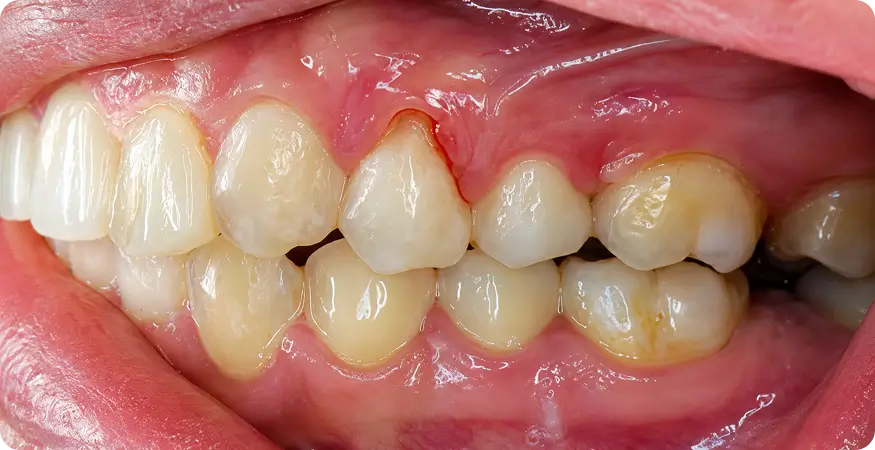
Gum recession can occur for different reasons, and treatment works best when the underlying cause is identified.
Possible contributing factors include:
Receding gums can also occur alongside periodontal disease, where inflammation damages the tissues that support the teeth. A dental examination can determine whether gum disease, tooth position or another factor is contributing to the recession.
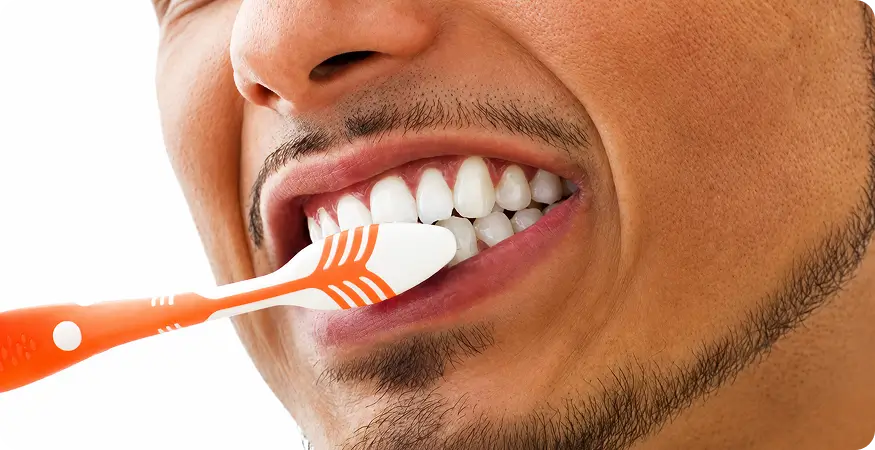
Age-old dental folklore suggested that receding gums was largely due to teeth brushing too aggressively. While vigorous brushing that damages enamel isn’t helpful, we’ve learned that many internal factors are to blame.
Having a practice that focuses on TMJ and airway health, I can see a strong link between sleep bruxism and receding gums. If you are a night-time teeth clencher, perhaps due to an airway restriction, you apply tons of pressure to your teeth – thousands of pounds to be exact. This immense force travels to your gums and quite literally causes your gums to pull away. In this case, soft brushing at the gumline won’t be effective until the primary cause of the airway and bite issue is addressed.
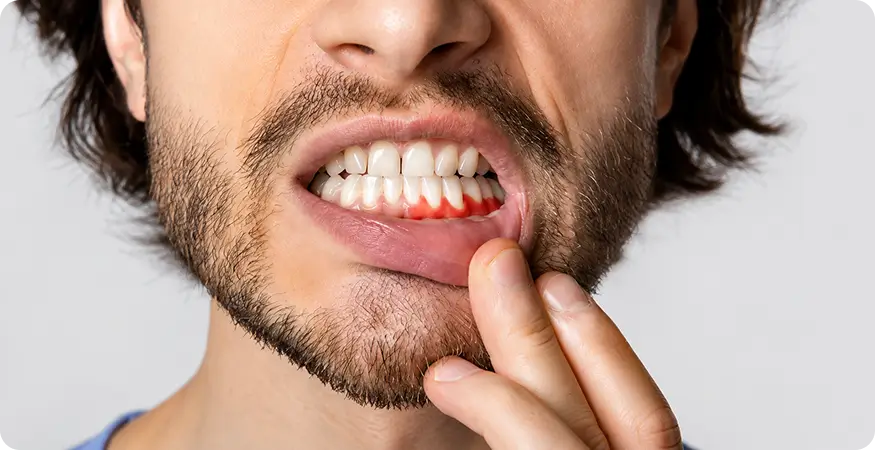
Home care cannot replace lost gum tissue, but it can help protect the gums and exposed tooth roots and reduce factors that may worsen recession.
Use a soft-bristled toothbrush and fluoride toothpaste. Clean thoroughly without aggressive scrubbing around the gumline.
Floss or use another interdental cleaner to remove plaque from areas a toothbrush cannot easily reach. Consistent plaque control is important for maintaining gum health.
Exposed tooth roots can cause sensitivity to hot, cold or sweet foods. Desensitising toothpaste may help reduce this discomfort when used consistently.
Smoking and other tobacco use increase the risk of periodontal disease and can interfere with gum healing and treatment outcomes.
Your dentist can monitor whether the recession is stable or progressing and check for gum disease, exposed-root decay and other problems.
These measures help protect gum health, but they should not be considered a way to regrow lost gum tissue.
The appropriate treatment depends on the cause, severity and condition of the surrounding gums and bone.
Professional Cleaning
If plaque and tartar are contributing to gum inflammation, professional cleaning may be required because hardened tartar cannot be removed through brushing and flossing alone.
Scaling and Root Planing
When periodontal disease is present, scaling and root planing may be used to remove plaque and calculus from below the gumline and clean the root surfaces.
Gum Graft Surgery
For selected patients with exposed tooth roots, a periodontist may recommend gum graft surgery. The procedure places gum tissue over the exposed root and can help reduce further recession, protect the root and improve sensitivity or appearance.
Other Periodontal Treatment
If gum recession occurs together with periodontal tissue or bone loss, additional periodontal treatment may be recommended according to the extent of the disease.
You can reduce avoidable stress on your gums by:
Good plaque control is particularly important because untreated periodontal disease can cause gums to pull away from the teeth and damage the tissues and bone supporting them.
Arrange a dental assessment if you notice:
A periodontist specialises in diagnosing and treating conditions affecting the gums and supporting tissues around the teeth and may be recommended when more advanced periodontal treatment is required
Gum recession is a condition that deserves attention, not anxiety. The earlier you understand what’s driving it whether that’s bite misalignment, sleep bruxism, airway issues, or oral hygiene habits the better your chances of protecting your smile for years to come. Remember, your gums don’t heal on their own, but with the right guidance and timely care, further damage is absolutely preventable.
If you’ve been noticing the early signs of recession and suspect that your bite or sleep habits may be playing a role, it’s worth speaking with a specialist who looks at the full picture. At The Right Bite Sleep and TMJ Pain Care, we take a comprehensive approach to oral health one that connects the dots between your airway, your bite, and the long-term wellbeing of your gums and teeth. Because treating the symptom without addressing the root cause is never truly a solution.
There is no single remedy for every case. Good oral hygiene can help prevent further damage, while treatment may range from professional cleaning and sensitivity management to periodontal treatment or gum grafting depending on the cause and severity.
Home remedies cannot predictably restore gum tissue that has already been lost. A periodontist may recommend root-coverage procedures such as gum graft surgery when appropriate.
Progression can often be reduced by identifying and treating the underlying cause, maintaining good plaque control, avoiding tobacco and receiving appropriate dental or periodontal care.
Toothpaste cannot regrow lost gum tissue. Fluoride toothpaste supports oral health, while desensitising toothpaste may help if recession has exposed sensitive root surfaces.
There is no reliable evidence that oil pulling regrows receded gum tissue. The American Dental Association does not recommend oil pulling as a substitute for established oral-hygiene practices.
A periodontist may consider gum grafting when root exposure, continuing recession, sensitivity or other clinical factors make root coverage appropriate
Contact us
Our other blogs
How to Improve Sleep Apnea: Tips for Better Sleep
Waking up tired after what should have been a full night of sleep can be incredibly frustrating. You may go to bed for eight hours,
Snoring and Dry Mouth: Causes, Connection and When to Seek Help
You wake up with a parched mouth, a sore throat and the feeling that your sleep did not do much good. Your partner, meanwhile, may

How to Improve Sleep: Simple Tips to Sleep Better and Wake Up Refreshed
You can spend eight hours in bed and still wake up feeling like you have barely slept. Your alarm rings, you hit snooze, then finally
WhatsApp us