Neuromuscular Dentistry: The Science of a Balanced Bite
Your bite is more than just how your teeth come together. It also has an effect on the muscles and joints of your jaw. When
The TMJ is the most accommodative joint in the body. It has the capability to absorb stress from the cranium above, the facial muscles in front and the cervical complex below. It is unique in that it forms the highest point in the postural chain. To add to these above facts, there is also the fact that 2 important nerves, the Trigeminal Nerve and the Facial Nerve traverse in close proximity to the TMJ. Together these nerves supply roughly 80% of all the muscles of the head.
Due to the above reasons, any flaw in the above mentioned structures will finally end up with excessive strain in the TMJ.
The TMJ can also be affected from a opposite-side defect. The bilateral TMJ is the only joint in the body that crosses the midline. Hence, if there’s a problem in 1 joint, there’s going to be a problem on the other side as well; may not be symptomatic as yet, but it’s like a ticking bomb waiting to happen.

Your bite is more than just how your teeth come together. It also has an effect on the muscles and joints of your jaw. When

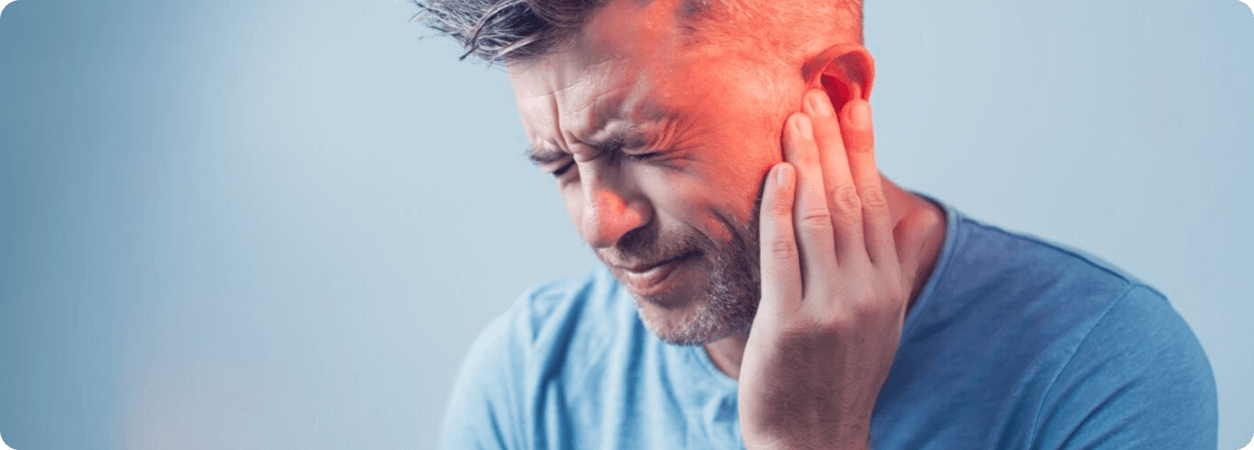
TMJ disorders can severely affect daily activities such as chewing, speaking, sleeping, and even maintaining proper posture. When jaw movement becomes restricted or pain becomes

If you are planning to get braces to straighten your teeth, it’s very obvious to have hundreds of doubts in your mind like “How long
WhatsApp us