The Right Bite Sleep and TMJ Pain Care

Home > Blogs > Top Symptoms for Root Canal Treatment and Why It’s Sometimes Necessary 

Top Symptoms for Root Canal Treatment and Why It’s Sometimes Necessary

Published on

JANUARY 29
2026

Tooth pain is not always easy to understand. Some pain goes away on its own. Other pain keeps coming back or getting worse over time. Knowing the early warning signs can help you avoid serious dental problems.

This guide explains the most common symptoms for root canal treatment, how dentists decide on treatment, and why root canal is necessary in certain cases.

What Is a Root Canal Treatment?

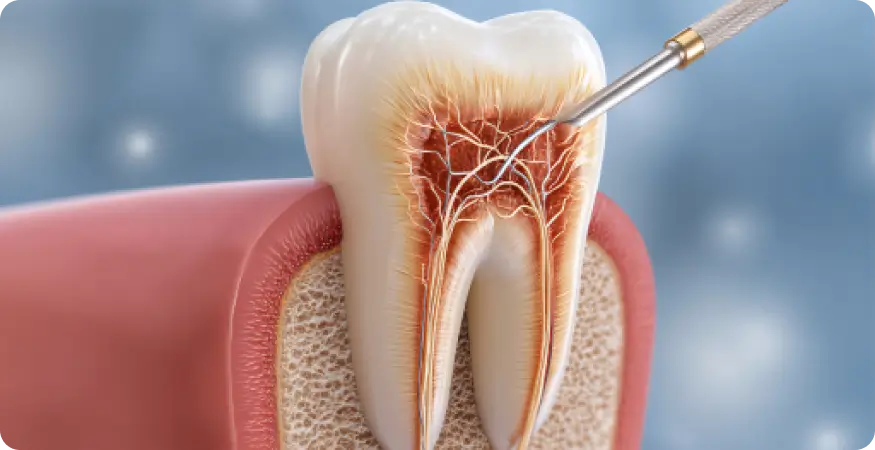
A root canal is a dental procedure that treats infection inside a tooth. Each tooth has soft tissue inside called pulp, which contains nerves and blood vessels.

If deep decay, cracks, or injury allows bacteria to reach the pulp, it can get infected or inflamed. This leads to pain and swelling. Without treatment, the infection can spread to the jawbone and nearby areas.

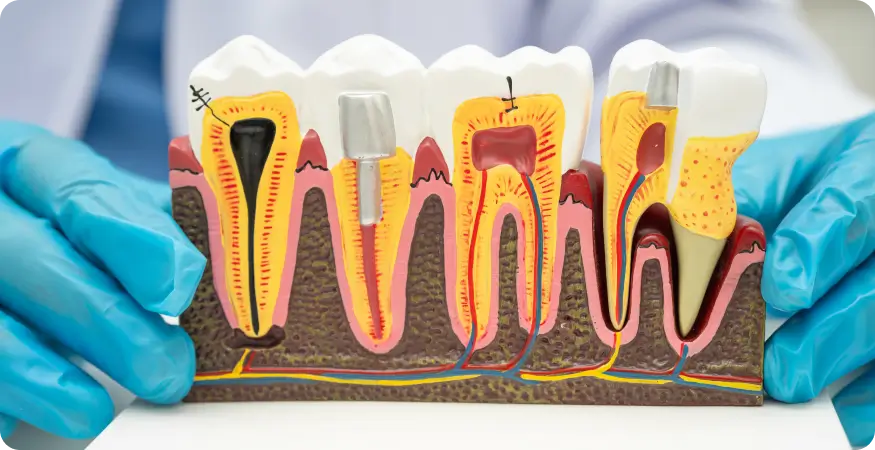
Root canal treatment removes the infected pulp, cleans the inside of the tooth, and seals it. This helps save the natural tooth instead of removing it.

Why Dental Infections Should Never Be Ignored

Dental infections do not heal on their own. Without treatment, bacteria can spread beyond the tooth. This may lead to:
  • Dental abscess
  • Bone loss around the tooth
  • Facial swelling
  • Fever and general illness
  • Tooth loss
This is why root canal is necessary in many cases. It stops infection at the source and protects your overall health.

Key Symptoms for Root Canal Treatment You Should Not Ignore

Here are the most common warning signs dentists watch for. One symptom alone doesn’t always mean you need treatment, but having several is more concerning

1. Constant or Severe Tooth Pain

Ongoing tooth pain is one of the strongest symptoms for a root canal. The pain may be sharp, throbbing, or deep. It often gets worse when chewing or lying down.

If pain lasts for several days, it usually means the pulp is damaged or infected.

2. Sensitivity That Lasts Too Long

Brief sensitivity to hot or cold is common. But pain that lasts more than 30 seconds after heat or cold exposure is not normal.

Lingering sensitivity is one of the clearest signs root canal needed, especially when combined with other symptoms.

3. Swollen or Tender Gums

Swelling around a tooth often signals infection. In some cases, a small pimple-like bump appears on the gum. This is called a dental abscess.

Abscess means bacteria have reached the tooth’s root. Treatment is needed to keep the infection from spreading.

4. Tooth Discoloration

A tooth that turns gray or dark yellow may have a dying nerve. This happens when blood flowing to the pulp is damaged.

Discoloration without pain still counts among serious symptoms for root canal treatment.

5. Pain When Biting or Chewing

Pain when pressure is applied to a tooth often means the root is inflamed. This pain may come and go, which can delay treatment.

If pressure pain keeps returning, it often signals when root canal is necessary.

6. Bad Taste or Ongoing Bad Breath

A persistent bad taste or smell may come from pus draining from an infected tooth. Mouthwash will not fix this issue.

This symptom points to advanced infection and should be checked quickly.

7. No Pain but Infection on X-Ray

Some infected teeth cause little or no pain. Dentists may find infection during routine X-rays.

This silent infection still requires treatment to prevent future damage.

How Dentists Decide When Root Canal Is Necessary

Dentists do not rely on pain alone. They use several tests to make a diagnosis

These may include:

  • Reviewing symptoms and dental history
  • Checking gum swelling or tenderness
  • Tapping on the tooth to test sensitivity
  • Hot and cold response testing
  • Dental X-rays to look for bone loss or abscess
A root canal is recommended when the pulp is permanently damaged or infected. Root canal decisions are based on clinical findings, digital imaging, and established endodontic guidelines followed by experienced dental specialists.

Who Is at Higher Risk of Needing a Root Canal?

Some dental and lifestyle factors make damage to the tooth pulp more likely. People with deep or untreated cavities are at higher risk because decay can reach the inner layers. Teeth that have had several procedures, like multiple fillings or crowns, can also become weaker over time.

Cracked or chipped teeth let bacteria reach the pulp, even if you can’t see the damage. Poor oral hygiene and untreated gum disease also raise the risk by letting bacteria spread. Habits like grinding or clenching your teeth, or past dental injuries, can stress the tooth and make a root canal more likely.

Step-by-Step: What Happens During Root Canal Treatment

Understanding the process helps reduce fear
  1. Numbing the area so you feel little discomfort
  2. Removing infected pulp and cleaning the canals
  3. Sealing the tooth to prevent reinfection
  4. Restoring the tooth, often with a crown

Most root canals are finished in just one or two visits.

Many patients delay treatment due to fear, but early root canal care is often simpler, faster, and far more comfortable than expected.

If you have ongoing tooth pain or swelling, book a dental checkup with The Right Bite Sleep and TMJ Pain Care before the infection gets worse.

Is Root Canal Treatment Painful?

Root canal treatment is much more comfortable now than it used to be. Dentists use strong local anesthesia to numb the area, so most people feel little or no pain during the procedure. Many say it feels similar to getting regular dental filling.

After treatment, it’s normal to have some mild soreness or tenderness for a few days while the tooth heals. This discomfort is usually easy to manage with regular pain medicine and goes away quickly with good care.

Recovery After Root Canal Treatment

Most people can go back to their normal activities the next day. During recovery, you should:
  • Avoid chewing on the treated tooth
  • Keep the area clean
  • Take medications as directed
  • Attend follow-up visits

If your pain gets worse after a few days, contact your dentist.

Myths vs Facts About Root Canal Treatment

Many people delay treatment because of common misunderstandings about root canals. Clearing up these myths can help patients make informed and timely decisions about their oral health.
Myth Fact
Root canals are painful Modern root canal treatment is usually no more uncomfortable than getting a dental filling
Tooth pain always means infection Some tooth infections cause little or no pain, especially in early stages
Tooth removal is safer than a root canal Saving the natural tooth is often healthier and helps maintain normal function
Knowing the facts can help reduce fear and show why early treatment is often the best choice for your long-term dental health.

Root Canal vs Tooth Extraction

When a tooth is badly infected, you might wonder if it’s better to remove it or try to save it. In most cases, keeping your natural teeth has clear benefits.

Root Canal Tooth Extraction
Saves the natural tooth Permanently removes the tooth
Maintains jawbone strength Bone loss may occur over time
Allows normal chewing and bite Requires replacement to restore function
Lower long-term treatment cost Higher cost due to implants or bridges
Dentists usually recommend saving your natural tooth whenever possible because it helps keep your mouth healthy, your jaw stable, and makes daily life more comfortable

Preventing the Need for a Root Canal

Good oral habits can lower your risk:

  • Brush twice daily
  • Floss once a day
  • Treat cavities early
  • Wear a mouthguard if you grind teeth
  • Visit your dentist regularly

Conclusion

Root canal treatment stops infection, relieves pain, and saves your natural tooth. Recognizing early symptoms for root canal treatment helps prevent serious complications.

Book a consultation with The Right Bite Sleep and TMJ Pain Care to check your symptoms and get the right treatment plan.
To treat the most complex of TMJ problems, contact us at TMJ India and get your appointment with our TMJ experts today! 

Contact us


    Our other blogs