
How to Stop Bruxism at Night: Causes & Treatment | The Right Bite
Waking up with a dull, throbbing headache, a tender jaw, or sensitive teeth? You aren’t alone. Millions of people ground their teeth while sleeping without
Published on
Snoring may sound harmless at first. But when it starts affecting your sleep every night, disturbing your partner, or leaving you tired during the day, it becomes difficult to ignore. Many people search for how to prevent snoring because they are exhausted from poor sleep and constant interruptions at night. Sometimes, snoring can even point toward health conditions like obstructive sleep apnea or airway blockage.
As TMJ specialists and sleep doctors, we often meet patients who think snoring is “normal” until it starts affecting their health, mood, and daily life. The good thing is that snoring can often be managed with the right treatment, lifestyle changes, and sleep support. Understanding the root cause is where real improvement begins.
Occasional snoring is common and usually harmless. Many people snore after a tiring day, while sleeping on their back, or after drinking alcohol.
But loud or chronic snoring is different. If it happens regularly and affects sleep quality, it may point toward an underlying health issue like obstructive sleep apnea, airway blockage, or TMJ dysfunction.
Persistent snoring should never be ignored, especially if it’s linked with daytime tiredness or breathing pauses during sleep.
Not all snoring is harmless. The type of snoring can often indicate what is affecting your airway during sleep.
1. Nasal Snoring: Caused by blocked nasal passages due to allergies, sinus issues, colds, or a deviated septum. This type is usually mild and improves with better nasal airflow.
2. Mouth Snoring: Happens when you breathe through your mouth during sleep, often because of nasal blockage or poor tongue posture. Dry mouth in the morning is common.
3. Tongue-Based Snoring: Common in people who sleep on their back or drink alcohol before bed. The tongue falls backward and partially blocks the airway.
4. Throat-Based Snoring: This is loud, heavy snoring often linked to obstructive sleep apnea (OSA). It may involve choking, gasping, or breathing pauses during sleep.
Snoring happens when airflow becomes restricted during sleep, causing the throat tissues to vibrate. The exact cause can vary from person to person, which is why identifying the reason behind snoring is important for proper treatment.
OSA requires proper medical evaluation and treatment.
Understanding the cause is key to finding the right solution for how to fix snoring effectively.
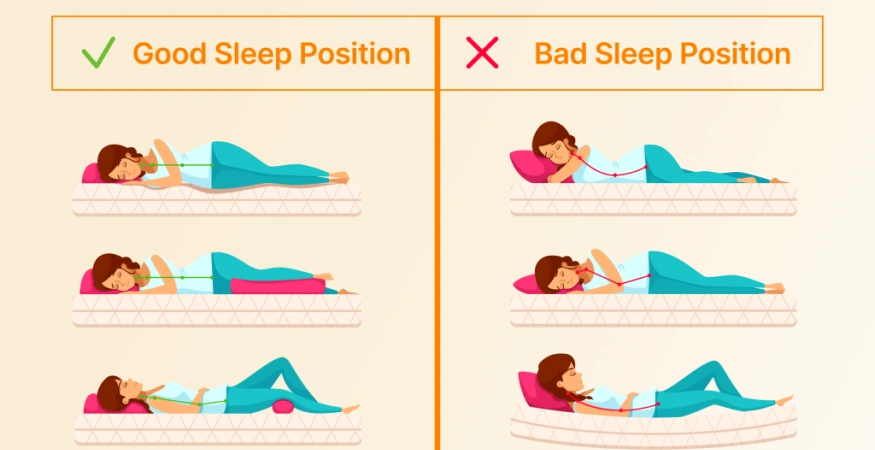
Here’s how to reduce snoring:
Sleeping on your side is one of the simple ways to understand how to stop snoring in sleep, as this position helps prevent the tongue from falling back into the throat.
Extra weight around the neck narrows your airway, making it harder to breathe. Losing even a small amount of weight can significantly reduce snoring. BMI less than 25 is ideal.
These substances relax the muscles in your throat, increasing the likelihood of airway obstruction. Aim to avoid them at least 3-4 hours before sleeping.
Poor sleep habits can worsen snoring over time. Try to:
These small habits can gradually improve both sleep quality and nighttime breathing.

TMJ dysfunction can contribute to snoring by affecting jaw position and airway space during sleep. When the lower jaw sits too far back or is misaligned, it can narrow the airway and restrict airflow.
As airflow becomes limited, the throat tissues vibrate during breathing, causing snoring.
TMJ-related snoring may also be linked with:
Over time, untreated TMJ problems can contribute to restricted airflow and disrupted breathing during sleep. In some cases, improving jaw alignment and airway positioning may help reduce snoring and improve overall sleep quality.
A TMJ specialist evaluates jaw alignment, airway function, and sleep-related breathing issues that may contribute to snoring. Treatment may include custom oral appliances, jaw alignment therapy, and airway assessment to improve airflow during sleep, reduce snoring, and support better overall sleep quality.
While lifestyle changes may help mild snoring, persistent or severe snoring often needs medical treatment. The right treatment depends on what is causing the airway blockage.
Custom-made oral appliances that are measured precisely with EMGs (facial and cervical muscle tonicity quantification) can help by repositioning the jaw to keep the airway open. They are especially effective for people dealing with TMJ issues and sleep apnea.
This involves exercises that strengthen the tongue and throat muscles, reducing the risk of airway collapse.
Some people snore mainly while sleeping on their back. Positional therapy helps train the body to sleep on the side, reducing airway blockage during sleep.
This may include body pillows, sleep position trainers, or supportive cushions.
For those with OSA with high AHI values, Continuous Positive Airway Pressure (CPAP) therapy delivers a steady stream of air to keep the airway open during sleep.
Surgery may be recommended when structural airway problems are causing severe snoring or sleep apnea.
Procedures may include:
Surgery is usually considered only after proper evaluation and when conservative treatments have not provided enough relief.
Many people assume snoring is harmless and delay treatment for years. But some symptoms should never be ignored.
You should seek medical help if you experience:
These signs may indicate obstructive sleep apnea or airway-related sleep disorders.
Snoring isn’t always just a sleep disturbance. In many cases, it may be linked to airway blockage, TMJ dysfunction, or sleep apnea. Identifying the root cause is important because the right treatment can improve both breathing and sleep quality.
If your snoring is persistent, loud, or affecting your daily life, it is time to seek expert care. At The Right Bite TMJ Care, detailed airway and jaw evaluations help identify the actual cause of snoring. With personalized TMJ and sleep-focused treatments, you can move toward quieter nights, better sleep, and improved overall health. Talk to us today.
FAQs
Loud snoring happens when airflow is partially blocked during sleep, causing throat tissues to vibrate. Common causes include sleeping on your back, excess weight around the neck, nasal congestion, alcohol consumption, and TMJ dysfunction or jaw misalignment that narrows the airway.
If you are wondering how to stop snoring naturally, start with simple changes like sleeping on your side, maintaining a healthy weight, avoiding alcohol before bed, and improving nasal airflow. These habits can help keep the airway open and reduce snoring during sleep.
Loud snoring every night, choking, gasping, breathing pauses, morning headaches, and daytime fatigue may indicate obstructive sleep apnea. If you are experiencing these symptoms, it is important to seek professional evaluation instead of relying only on home remedies for snoring.
Yes, in some cases it can. TMJ dysfunction may affect jaw position and narrow the airway during sleep, leading to chronic snoring. At The Right Bite TMJ Care, detailed airway and jaw evaluations help identify TMJ-related breathing issues and provide personalized snoring treatment options.
To stop snoring permanently, identify and treat the root cause. This includes maintaining a healthy weight, sleeping on your side, avoiding alcohol before bed, using a custom oral appliance for jaw alignment, and consulting a TMJ or sleep specialist for a personalised treatment plan.
Yes, chronic snoring can impact sleep quality, energy levels, concentration, and heart health. Severe snoring associated with sleep apnea may increase the risk of high blood pressure, fatigue, and other health complications.
Yes, dentists trained in sleep dentistry can help manage snoring and mild sleep apnea using customized oral appliances that improve jaw positioning and help keep the airway open during sleep. At The Right Bite, specialists provide personalized snoring and sleep-related TMJ treatment solutions designed to improve sleep quality and breathing comfort.
Snoring can be significantly reduced or completely eliminated depending on the cause. Lifestyle changes, oral appliances, TMJ treatment, and in some cases surgery can provide long-term relief. With the right diagnosis and treatment, most people experience dramatic improvement or a complete stop in snoring.
To treat the most stubborn snoring issues, contact us at TMJ India and book your appointment with our snoring specialists today!
Contact us
Our other blogs
How to Stop Bruxism at Night: Causes & Treatment | The Right Bite
Waking up with a dull, throbbing headache, a tender jaw, or sensitive teeth? You aren’t alone. Millions of people ground their teeth while sleeping without

Why Migraine Headache Occurs: Causes, Symptoms & How to Cure
A migraine headache is a form of a severe headache and is accompanied by a host of other symptoms. Migraines can interfere with daily routine
Sleeping Pills Warning Never Ignore: Long-Term Side Effects & Treatment
Everyone has experienced this at some point. After 2 A.M., your worries multiply, and your unfinished tasks threaten your upcoming day with an ever-growing, anxiety-laden
WhatsApp us