

Maxillary expansion is a procedure that gently widens the upper jaw (maxilla) to correct a narrow palate and create more space for the teeth.
Updated on
Sleep apnea is a sleep-related breathing disorder in which breathing repeatedly stops or becomes restricted during sleep. In obstructive sleep apnea, the upper airway repeatedly narrows or closes, which can disturb sleep and reduce oxygen levels.
Sleep apnea treatment depends on the type and severity of the condition, symptoms, overall health and findings from a sleep study. Treatment may include lifestyle measures, positive airway pressure such as CPAP, oral appliances, selected surgical procedures or other therapies.
There is no single treatment that is right for every patient, and newer options should not automatically replace established therapies.
The goal of sleep apnea treatment is to keep the airway open during sleep, reduce breathing interruptions and improve sleep quality and daytime functioning.
Depending on the diagnosis, treatment may include:
PAP remains one of the most common and effective treatments for obstructive sleep apnea, while alternatives may be considered when CPAP is unsuitable or poorly tolerated.
Sleep apnea care can involve different healthcare professionals depending on the cause, severity and treatment required.
Sleep Medicine Physician:
A doctor trained in sleep medicine can evaluate sleep symptoms, interpret sleep studies and diagnose and manage conditions such as obstructive sleep apnea.
Pulmonologist:
A pulmonologist may be involved when sleep apnea occurs alongside respiratory or lung-related problems.
ENT Specialist:
An ENT doctor can assess structural problems involving the nose, throat, tonsils or upper airway.
Dental Sleep Medicine Professional:
A qualified dentist can have a role in oral appliance therapy for appropriately selected patients with obstructive sleep apnea, particularly when a sleep physician recommends an oral appliance as an alternative to CPAP. AASM/AADSM guidance supports oral appliances for adults with OSA who are intolerant of CPAP or prefer an alternative therapy.
Sleep apnea care is often multidisciplinary rather than being managed by one specialist alone.
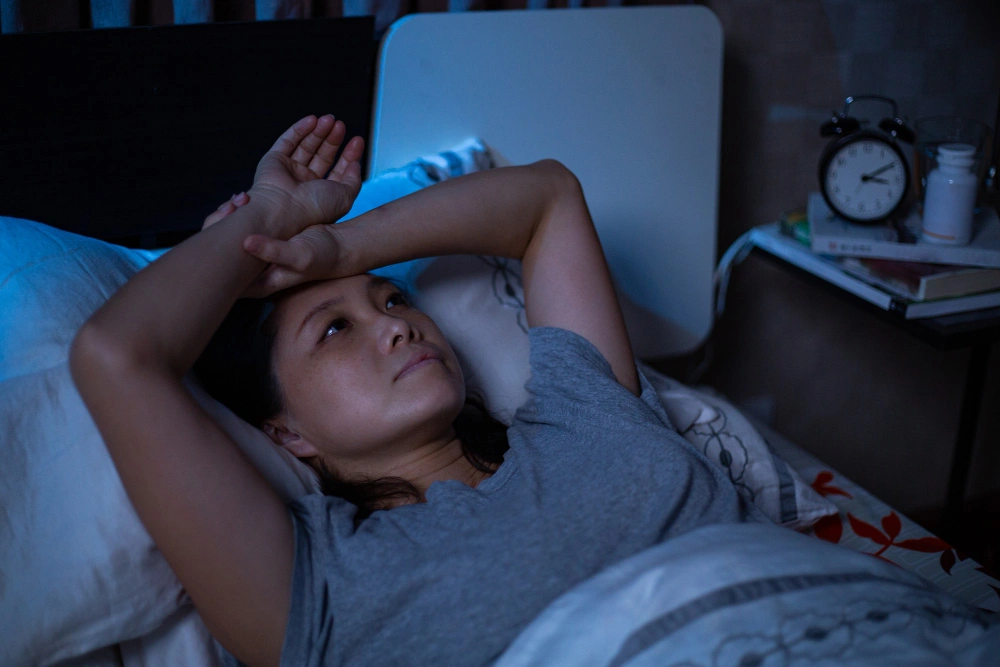
CPAP remains an established treatment for obstructive sleep apnea, but newer options are available for selected patients.
Hypoglossal nerve stimulation uses an implanted device to stimulate the nerve controlling the tongue during sleep, helping keep the upper airway open.
This treatment is intended for carefully selected patients rather than everyone with sleep apnea. The FDA-approved Inspire system is used for selected people with moderate to severe obstructive sleep apnea who meet specific eligibility requirements.
In December 2024, the U.S. FDA approved tirzepatide (Zepbound) as the first medication specifically approved to treat moderate to severe obstructive sleep apnea in adults with obesity, alongside a reduced-calorie diet and increased physical activity.
This treatment applies only to appropriate patients and requires medical assessment and prescription. Its regulatory approval and availability can vary by country.
Some removable devices stimulate the tongue muscles while the patient is awake, with the aim of improving upper-airway muscle function during sleep. NHLBI includes removable tongue-muscle stimulators among available sleep-apnea treatment approaches. NHLBI, NIH
Newer does not necessarily mean better for every patient. Treatment should be chosen according to sleep-study findings, severity, airway anatomy and individual health factors.
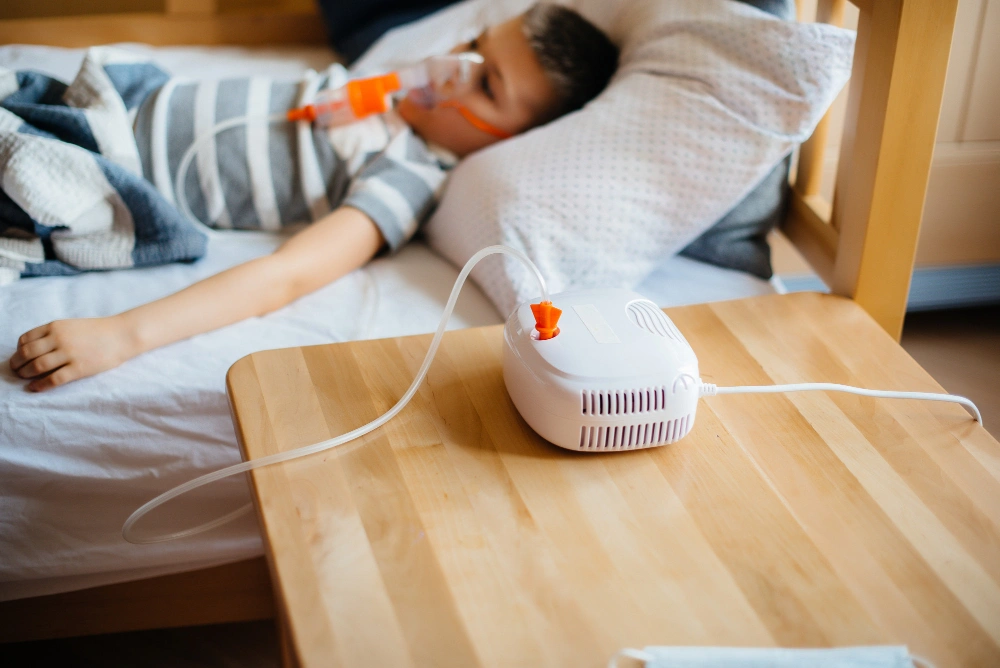
Some people cannot tolerate CPAP or prefer to discuss other options. Sleep apnea treatment without CPAP depends on the type and severity of OSA and the reason CPAP is unsuitable.
Possible alternatives include:
A custom mandibular advancement device positions the lower jaw forward to help prevent the upper airway from collapsing during sleep.
Oral appliances may be considered for selected adults who cannot tolerate CPAP or prefer an alternative.
For appropriate patients, maintaining a healthy weight, regular physical activity, limiting alcohol, quitting smoking and side sleeping can form part of treatment.
Exercises targeting the tongue, lips and upper-airway muscles may be useful as part of treatment for selected children and adults.
Implantable upper-airway stimulation may be considered for carefully selected patients with obstructive sleep apnea who cannot tolerate PAP therapy and meet other clinical criteria.
Surgical treatment may be considered when airway anatomy contributes significantly to OSA or when other appropriate treatments have not provided adequate control.
Non-CPAP treatment should be selected after confirming the diagnosis and severity of sleep apnea rather than choosing an alternative based on snoring alone.
Continuous positive airway pressure, or CPAP, delivers pressurised air through a mask to help keep the airway open while you sleep.
Other positive-airway-pressure options include:
PAP therapy remains one of the most commonly used treatments for obstructive sleep apnea and can be particularly important in moderate to severe disease.
If CPAP is uncomfortable, patients should discuss mask fit, pressure settings, dryness, congestion or other side effects with their sleep-care provider rather than stopping treatment without guidance.
Oral appliances are custom devices worn during sleep to help prevent upper-airway obstruction.
A common option is a mandibular advancement device, which holds the lower jaw in a forward position. Tongue-retaining devices may also be used in selected cases.
NHLBI notes that oral devices may be prescribed when a patient does not want to use or cannot tolerate CPAP. AASM/AADSM guidance recommends that a qualified dentist provide a custom, adjustable device when oral appliance therapy is prescribed.
Follow-up is important to assess comfort, dental or jaw side effects and whether the sleep apnea is adequately controlled.
Some patients need treatment based on their airway anatomy or other individual factors.
Options can include:
Jaw expansion or advancement procedures should not be presented as routine treatment for every person with sleep apnea. They require careful evaluation of airway structure, age, diagnosis and treatment goals.
Look for a clinician whose qualifications and scope match the treatment you need.
Consider:
For oral appliance treatment, coordination between the sleep physician and a qualified dentist is particularly important.
Living with sleep apnea can significantly impact your health and well-being. It can be treated by carefully monitoring your sleep patterns, symptoms and duration of episodes of waking up. You can overcome this condition by consulting with a sleep apnea specialist near you who may suggest you use the appropriate sleep appliances according to your condition. One such clinic, TMJ India houses some of the best dentists and specialists for your sleep, TMJ and related problems.
Contact us
FAQs
Yes, some patients may be treated with oral appliances, lifestyle measures, positional approaches, orofacial therapy, selected surgical procedures or other options. The appropriate alternative depends on the diagnosis and severity
Newer treatments include hypoglossal nerve stimulation for selected patients. In the United States, tirzepatide was also approved in December 2024 for moderate to severe OSA in adults with obesity. Eligibility and availability vary.
CPAP is generally more effective at improving physiological measures of OSA, but an oral appliance may be a useful alternative for selected adults who cannot tolerate CPAP or prefer another treatment.
A qualified dentist can provide and monitor oral appliance therapy when it is appropriate for the patient. Diagnosis and broader sleep-apnea management may also involve a sleep physician and other medical specialists.
Some causes of OSA may improve substantially with appropriate treatment, but there is no single guaranteed permanent cure for every patient. Ongoing follow-up is important because treatment needs can change.
Our other blogs
Maxillary expansion is a procedure that gently widens the upper jaw (maxilla) to correct a narrow palate and create more space for the teeth.
Can Gums Grow Back After Receding? Causes and Treatment Options
Gum recession is common, and it’s easy to miss early on. Some people notice their teeth look a little longer than they used to. Others
Can Teeth Grinding Cause Tension Headaches? Causes & Symptoms
You wake up with a dull headache, a tight jaw, and a strange feeling that your face has been working all night. You take a
WhatsApp us