TMJ Ear Jaw Joint Pain: Causes, Symptoms & Treatment
Pain near the ear isn’t always caused by an ear infection. Sometimes, the real problem starts in the jaw joint. Many people notice ear jaw
Published on
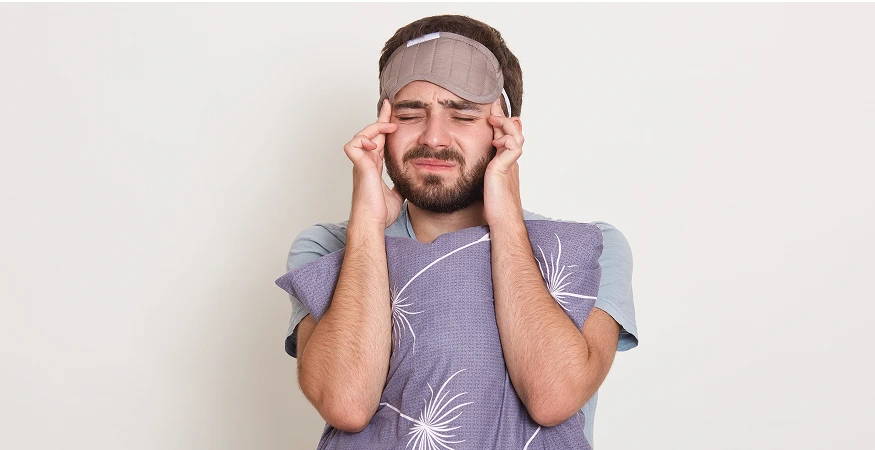
Sleep is the most essential but one of the most underrated activities for a human being. Many people struggle to get enough rest due to work, stress, or lifestyle habits. One of the most common consequences of headache due to sleep deprivation.
Poor sleep affects how the brain processes pain, increases muscle tension, and can make headaches more frequent or severe. In some cases, the problem goes beyond sleep deprivation itself.
Conditions such as TMJ disorder (TMD), teeth grinding, and sleep apnea can disrupt sleep quality and contribute to ongoing headaches.
In this blog, we will explore how headache and sleep deprivation are connected, TMJ’s involvement in the process, and when you should seek professional help.
Sleep-related headaches often have certain patterns. You may notice:
If these symptoms occur regularly, there may be an underlying sleep or jaw-related condition contributing to your headaches.
The temporomandibular joint (TMJ) connects the lower jaw (mandible) to the skull and plays a crucial role in chewing, talking, and jaw movement. Dysfunction in this joint, known as temporomandibular joint disorder (TMD), can contribute to headache due to sleep deprivation, especially in sleep-deprived individuals.
When this joint becomes irritated or dysfunctional, it can trigger pain throughout the head, face, neck, and shoulders.
TMJ-related headaches are often mistaken for migraines, sinus headaches, or tension headaches because the symptoms can overlap.
People who are stressed or sleep-deprived often grind their teeth at night, putting excessive pressure on the TMJ. This can cause headaches, especially in the temples and behind the eyes.
TMJ dysfunction can lead to tension in the surrounding muscles, causing pain that radiates to the head, resulting in tension headaches or migraines.
TMJ dysfunction can affect the alignment of the jaw and neck, leading to nerve compression that triggers chronic headaches.
If you regularly wake up with a headache, poor sleep may not be the only explanation. In some cases, the underlying issue is obstructive sleep apnea, a sleep disorder that repeatedly interrupts breathing throughout the night.
These breathing pauses can prevent your body from reaching deep, restorative sleep and may reduce oxygen levels while you sleep. As a result, the brain and body do not recover properly, increasing the likelihood of morning headaches.
Several changes occur when breathing is repeatedly disrupted during sleep:
Together, these factors can contribute to headaches that are often present upon waking and may ease as the day progresses.
If poor sleep is contributing to your headaches, improving your sleep habits and addressing potential underlying causes can help. While these steps may reduce symptoms, recurring headaches should always be properly evaluated.
Going to bed and waking up at the same time each day helps regulate your body’s internal clock and supports better-quality sleep.
Stress can increase tension in the jaw, neck, and shoulders. Relaxation techniques such as meditation, deep breathing, or regular exercise may help reduce headache triggers.
Poor posture can strain the muscles that support your head, neck, and jaw. Maintaining proper posture throughout the day may help reduce tension-related headaches.
Even mild dehydration can trigger headaches. Drinking enough water throughout the day supports normal body function and overall well-being.
Headache due to sleep deprivation can be frustrating and debilitating, but understanding its causes and triggers especially the role of TMJ can help in managing them effectively. If you experience frequent or severe headaches, particularly with jaw pain or sleep disturbances, seeking medical or dental help is essential.
Waking up with a headache isn’t always due to a poor night’s sleep. Conditions such as TMJ disorder, teeth grinding, and sleep apnea can disrupt sleep quality and trigger morning headaches. If it happens regularly, it’s worth investigating the underlying cause.
TMJ-related headaches often occur around the temples, forehead, or behind the eyes. You may also notice jaw pain, clicking sounds, facial tenderness, neck stiffness, or discomfort while chewing. These symptoms often occur together rather than in isolation.
If your headaches are accompanied by jaw pain, teeth grinding, snoring, or poor-quality sleep, a specialised evaluation can help identify the cause. At The Right Bite Sleep and TMJ Pain Care, we assess both TMJ and sleep-related factors to help you find lasting relief.
Contact us
Our other blogs

TMJ Ear Jaw Joint Pain: Causes, Symptoms & Treatment
Pain near the ear isn’t always caused by an ear infection. Sometimes, the real problem starts in the jaw joint. Many people notice ear jaw

Childhood Snoring Causes: Reasons and How to Fix It
Knowing what causes snoring and why it is important it is to try to stop it can aid you and your child along your journey

Reasons of Loud Snoring: What Causes It and How It Occurs
Have you ever been woken up in the middle of the night because you were snoring so loudly? Or has your partner complained that your
WhatsApp us