

How to Improve Sleep Apnea: Tips for Better Sleep
Waking up tired after what should have been a full night of sleep can be incredibly frustrating. You may go to bed for eight hours,
Table of contents
Persistent tooth pain does not always mean you need a root canal, but certain symptoms deserve a dental examination. Common root canal symptoms include lingering sensitivity to hot or cold, pain when biting, swollen or tender gums, drainage around a tooth and tooth darkening.
These symptoms can also occur with cavities, cracked teeth or other dental problems. A dentist or endodontist needs to examine the tooth and, when necessary, use dental tests and X-rays to determine whether the pulp inside the tooth is inflamed or infected.
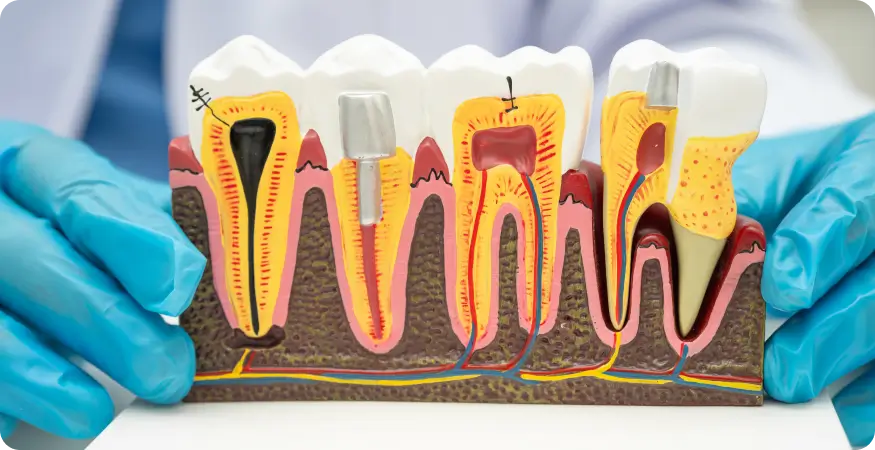
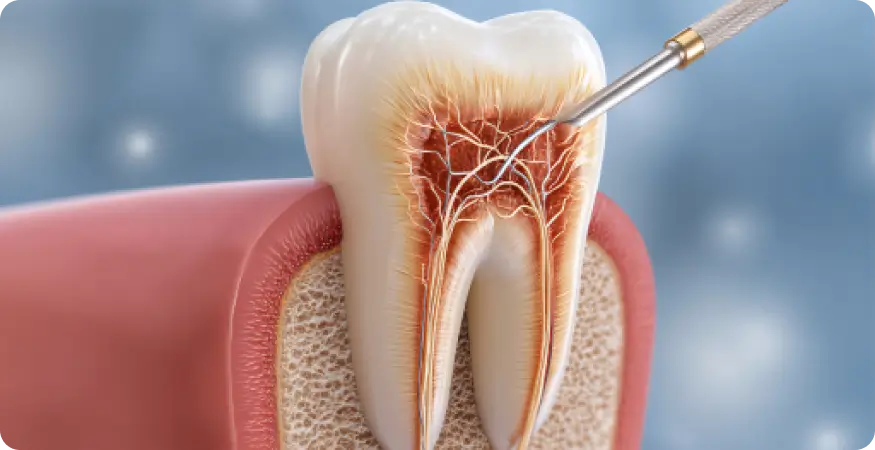
A root canal is a dental procedure that treats infection inside a tooth. Each tooth has soft tissue inside called pulp, which contains nerves and blood vessels.
If deep decay, cracks, or injury allows bacteria to reach the pulp, it can get infected or inflamed. This leads to pain and swelling. Without treatment, the infection can spread to the jawbone and nearby areas.
Root canal treatment removes the infected pulp, cleans the inside of the tooth, and seals it. This helps save the natural tooth instead of removing it.
When infection reaches the pulp inside a tooth, it can progress and sometimes develop into a dental abscess. Symptoms may include worsening tooth pain, swelling, tenderness, a bad taste in the mouth or facial swelling.
If the tooth can be saved, root canal treatment may be used to remove the infected or inflamed pulp and seal the tooth. In other cases, a dentist may recommend a different treatment depending on how much of the tooth can be restored.
Dental infections do not heal on their own. Without treatment, bacteria can spread beyond the tooth. This may lead to:
Possible signs that a tooth needs closer examination include:
Having one of these symptoms does not automatically mean you need root canal treatment. A dental examination is needed to identify the cause.
Ongoing, spontaneous or intense tooth pain can occur when the pulp inside a tooth is inflamed or infected. Pain may also become more noticeable while chewing or putting pressure on the tooth.
Persistent pain should be examined because decay, cracks and other dental conditions can produce similar symptoms.
Brief sensitivity is common, but discomfort that continues after a hot or cold stimulus has been removed deserves attention.
Lingering temperature sensitivity may occur when the pulp has been significantly irritated or damaged, particularly when it is accompanied by other symptoms.
Sharp or persistent pain when biting can occur with deep decay, a cracked tooth or inflammation involving the tissues around the root.
Because several dental problems can produce biting pain, the cause should be confirmed through an examination rather than symptoms alone.
Swelling or tenderness around a particular tooth may be associated with infection. The swelling can remain close to the tooth or, in more serious cases, extend into surrounding tissues.
Persistent swelling should be assessed promptly by a dentist.
A small bump on the gum near an affected tooth can sometimes be associated with drainage from an infection. Some people also notice an unpleasant taste in the mouth.
These signs need dental evaluation, particularly when accompanied by pain, tenderness or swelling.
A tooth that becomes noticeably darker after trauma or without an obvious external cause may have changes involving the pulp.
Discoloration alone does not confirm that root canal treatment is required, but a dentist should examine the tooth and test its condition.
Deep cavities, cracks and dental injuries can allow bacteria to reach or irritate the pulp inside a tooth.
Even when pain is mild, visible damage or extensive decay may require further investigation to determine whether the pulp can recover or needs treatment.
It is also possible for a tooth with damaged or infected pulp to cause little or no pain. Some problems are identified during a dental examination or on an X-ray before significant symptoms develop.
Symptoms alone cannot confirm whether a root canal is needed. Your dentist will consider your symptoms, dental history and the condition of the tooth.
These may include:
Checking for decay, cracks, swelling or tenderness
Testing how the tooth responds to temperature
Checking for pain when the tooth is tapped or bitten on
Taking dental X-rays to examine the tooth and surrounding bone
Root canal treatment may be recommended when the pulp has become irreversibly inflamed, damaged or infected and the tooth can still be restored.
Arrange prompt dental care if tooth pain is severe or persistent, especially when it occurs with swelling, fever, facial or jaw swelling, or signs of a dental abscess.
Seek emergency medical care if swelling becomes extensive or makes it difficult to breathe, swallow or speak, or if swelling spreads towards the eye. These symptoms can indicate that a dental infection has spread beyond the tooth.
Some dental and lifestyle factors make damage to the tooth pulp more likely. People with deep or untreated cavities are at higher risk because decay can reach the inner layers. Teeth that have had several procedures, like multiple fillings or crowns, can also become weaker over time.
Cracked or chipped teeth let bacteria reach the pulp, even if you can’t see the damage. Poor oral hygiene and untreated gum disease also raise the risk by letting bacteria spread. Habits like grinding or clenching your teeth, or past dental injuries, can stress the tooth and make a root canal more likely.
Most root canals are finished in just one or two visits.
Many patients delay treatment due to fear, but early root canal care is often simpler, faster, and far more comfortable than expected.
If you have ongoing tooth pain or swelling, book a dental checkup with The Right Bite Sleep and TMJ Pain Care before the infection gets worse.
Root canal treatment is much more comfortable now than it used to be. Dentists use strong local anesthesia to numb the area, so most people feel little or no pain during the procedure. Many say it feels similar to getting regular dental filling.
After treatment, it’s normal to have some mild soreness or tenderness for a few days while the tooth heals. This discomfort is usually easy to manage with regular pain medicine and goes away quickly with good care.

If your pain gets worse after a few days, contact your dentist.
| Myth | Fact |
|---|---|
| Root canals are painful | Modern root canal treatment is usually no more uncomfortable than getting a dental filling |
| Tooth pain always means infection | Some tooth infections cause little or no pain, especially in early stages |
| Tooth removal is safer than a root canal | Saving the natural tooth is often healthier and helps maintain normal function |
When a tooth is badly infected, you might wonder if it’s better to remove it or try to save it. In most cases, keeping your natural teeth has clear benefits.
| Root Canal | Tooth Extraction |
|---|---|
| Saves the natural tooth | Permanently removes the tooth |
| Maintains jawbone strength | Bone loss may occur over time |
| Allows normal chewing and bite | Requires replacement to restore function |
| Lower long-term treatment cost | Higher cost due to implants or bridges |
Good oral habits can lower your risk:
Persistent tooth pain, lingering sensitivity, pain when chewing, swelling or changes around a tooth should not be ignored. These symptoms do not always mean you need a root canal, but they are good reasons to have the tooth examined.
When the pulp is significantly damaged or infected, root canal treatment may help remove the infection and preserve the natural tooth. If you are experiencing ongoing symptoms, book a dental evaluation with The Right Bite Sleep and TMJ Pain Care to determine the appropriate treatment.
Contact us
Our other blogs
How to Improve Sleep Apnea: Tips for Better Sleep
Waking up tired after what should have been a full night of sleep can be incredibly frustrating. You may go to bed for eight hours,
Snoring and Dry Mouth: Causes, Connection and When to Seek Help
You wake up with a parched mouth, a sore throat and the feeling that your sleep did not do much good. Your partner, meanwhile, may

How to Improve Sleep: Simple Tips to Sleep Better and Wake Up Refreshed
You can spend eight hours in bed and still wake up feeling like you have barely slept. Your alarm rings, you hit snooze, then finally
WhatsApp us