

Maxillary expansion is a procedure that gently widens the upper jaw (maxilla) to correct a narrow palate and create more space for the teeth.
Published on
Table of contents
Gum recession is common, and it’s easy to miss early on. Some people notice their teeth look a little longer than they used to. Others first feel a zing of sensitivity when they sip something cold or brush near the gum line.
If you’re wondering whether gums can grow back, the honest answer is that gum tissue that has pulled back significantly usually doesn’t regenerate on its own. But that doesn’t mean you’re out of options. Once you know why the gums are receding, you can stop it from getting worse, and in some cases a periodontist can restore the lost coverage. The sooner you find the cause, the more of your teeth, gums and underlying bone you can protect.
Many people notice that their gums are pulling away from their teeth (gum recession), or their teeth are becoming ‘longer’. This condition is known as gum recession. It can expose the root part of the tooth which is supposed to remain inside the gums and bone. This can lead to a lot of sensitivity and sometimes excruciating pain. It can also affect your social life by negatively affecting your smile. It is very important to diagnose why this gum recession is happening, and often patients ask the question: can gums grow back?
It is important to understand that once gum starts to recede, it cannot grow back on its own. Identifying the exact cause(s) of gum recession and treating it, preferably early, can prevent further gum recession, gum damage and potentially restore gum level to a large extent.
Usually Receding Gums doesn’t grow back. Once the gum edge has moved away from the tooth and the root is showing, switching toothpaste or brushing more carefully won’t bring the tissue back.
Treatment still helps, though. It generally focuses on:
What your treatment looks like depends mostly on why the recession started.
The treatment required depends heavily on the reason the recession developed in the first place.
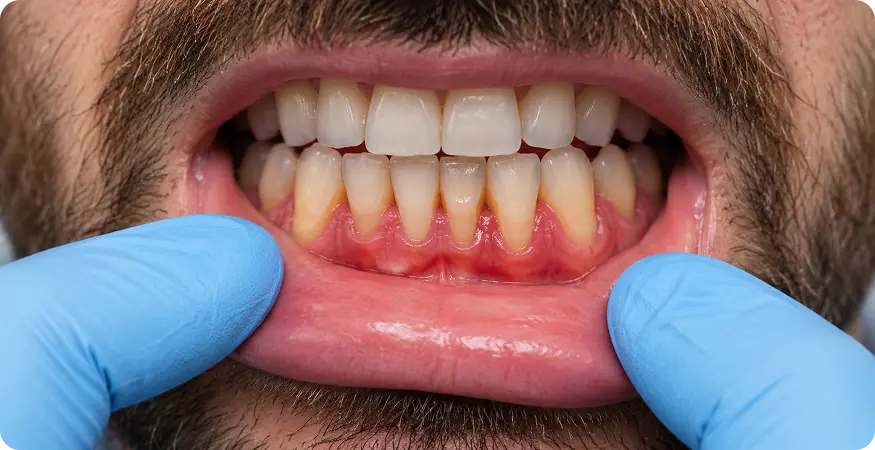
Several factors can cause gum recession. The most common is bad oral hygiene. Food lodgement between teeth and leaving tartar and plaque to build up overtime can irritate the gum tissue and underlying bone. This causes bone infection in that area and the level of bone starts to go down, as a result, gum recession happens, hence regular dental checkup and cleaning, if required, is important. If the gum recession is a lot then periodontal procedures are required to restore as much gum level as possible.
Malocclusion or a bad bite and crooked teeth can also cause gum recession, where poorly distributed bite force can create excessive forces on some teeth causing them to deteriorate first.
Tobacco use and other irritants can also harm the gums and underlying bone resulting in gum recession. Hence habit cessation is important to restore gum level.
There’s rarely just one cause. Several factors often work together, including:
This is why a dentist shouldn’t assume every case of receding gums has the same explanation. Two people with similar-looking recession can need very different treatment.
Recession tends to creep up slowly, so the early signs are easy to brush off. Watch for:
The sensitivity happens because roots don’t have the hard enamel coating that protects the visible part of the tooth. Once the root is exposed, it reacts much more easily
Sleep bruxism, or teeth grinding / clenching during sleep can be caused by many reasons. Stress can cause sleep bruxism, sleep issues like sleep apnoea cause sleep bruxism. This constant uncontrolled grinding / clenching force happens when patient is unconscious in deep sleep. The jaw muscles apply abnormally high, uncontrolled, uncheck muscle forces which causes a lot of trauma to the teeth, underlying bone and the gums. Slowly, as the bone is no longer able to bear these forces, bone destructions starts and the level of bone slowly goes down, and the gums follow where ever the bone goes, causing gum recession and even teeth sensitivity, teeth pain and teeth fracture.
This unchecked excessive mechanical forces can also cause TMJ pain, jaw pain and facial pain. Hence, it is time to look for all the causes that might be causing gum recession in a patient. A comprehensive dental examination for gum recession should include, gums, teeth, jaw muscles, TMJ health and sleep related teeth grinding / sleep issues.
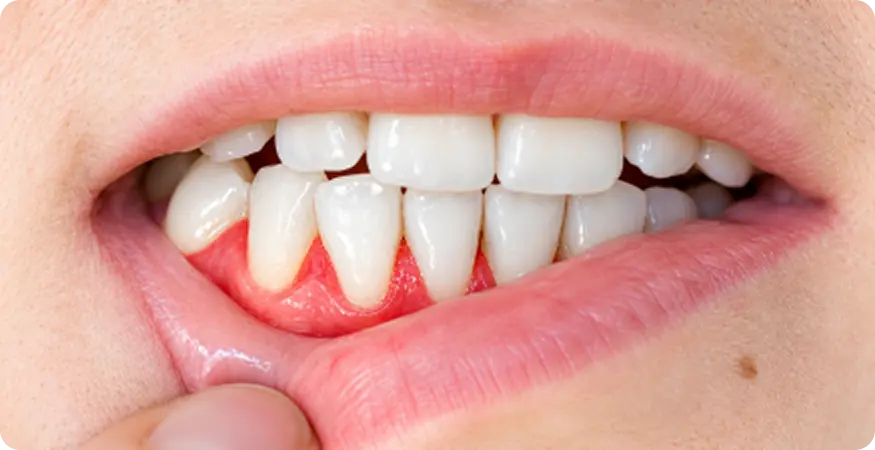
Unfortunately, gums cannot grow back naturally if they have receded significantly from their original position. Remember, gum recession happens when the underlying bone level has receded. Therefore, the goal is to diagnose all the underlying causes which might be contributing to your gum recession. If gum disease is present due to poor oral hygiene, then professional periodontal treatment is required. If tobacco and other bad habits are causing gum recession then habit has to be stopped. If a bad bite and crooked teeth are causing gum recession then braces / aligners and orthodontic treatment might be required. If sleep bruxism is causing gum recession, then a custom made, high precision neuromuscular oral sleep appliance might be required.
The important distinction is between natural regrowth and professional restoration.
Receded gum tissue does not generally return simply because brushing improves or a person starts using a sensitivity toothpaste. Professional periodontal procedures may be considered when additional gum coverage or root protection is required.
The right approach depends on how much gum has been lost and what’s behind it.
Professional cleaning.
If plaque and tartar are irritating the gums, a thorough cleaning removes the bacterial buildup and helps the tissue settle down.
Periodontal treatment.
When gum disease has damaged the tissue and bone that hold your teeth in place, it needs to be brought under control first. Otherwise the damage keeps spreading.
Gum grafting.
In selected cases, a graft can cover an exposed root or thicken the gum around a tooth. Whether it’s a good option depends on where the recession is, how severe it is, how healthy the surrounding tissue is, and what you want from the treatment.
Orthodontic treatment.
If crooked teeth or a poor bite are putting extra pressure on the gums, braces or aligners can sometimes be part of the plan.
Managing grinding and clenching.
If heavy bite forces are involved, looking at the gum line alone won’t be enough. The dentist may need to check your bite, jaw muscles, jaw joints (TMJ) and any sleep-related symptoms.
Managing sensitivity.
Desensitising toothpaste, professional fluoride treatments or other dental options can make exposed roots much more comfortable, depending on the tooth.
Often, yes. If the underlying cause is under control, the risk of further recession drops. A few habits make a real difference:
Prevention matters because the more gum and bone you lose, the harder it is to repair later.
No. Gum disease is a major cause, but it isn’t the only one. You can have recession from the way your teeth are positioned, your brushing habits, naturally thin gums or bite forces, without having advanced gum disease at all. That’s why you need an examination before anyone can say how your recession should be treated.
Mild recession can look like a cosmetic issue at first. But exposed roots are far more vulnerable than the enamel-covered crowns of your teeth. As recession progresses, sensitivity tends to increase, the root surface can wear down, and the support around the tooth can start to change.
Getting it checked early gives your dentist the chance to find the cause before you lose more tissue.
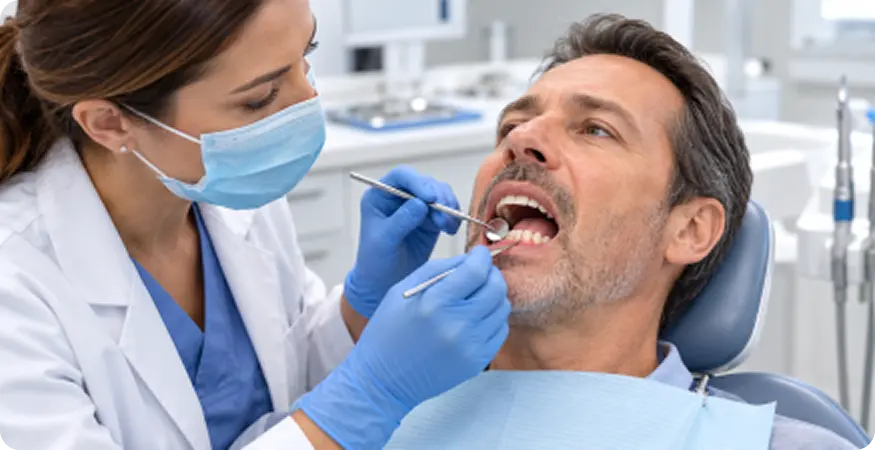
If you notice gum recession, exposed roots, tooth sensitivity, increased teeth mobility then do not wait! Immediately seek professional dental evaluation, as many times restoring gums to its original level becomes very difficult, hence time is of the essence.
Why Are My Gums Receding
Early diagnosis and treatment can help restore your gums as close to their natural level as possible. Remember, time is of the essence.
The most useful question is therefore not only “can gums grow back?” but also “why are my gums receding?”
Finding the cause can guide the right treatment and help protect the remaining gum and bone around the teeth.
If you are wondering can gums grow back, significantly receded gum tissue usually does not return naturally to its original position. However, identifying the cause early can help prevent further damage and determine whether periodontal, orthodontic, bite-related or other treatment is appropriate.
At Right Bite Sleep & TMJ Pain Care, evaluation can also consider the relationship between the teeth, bite, jaw muscles, TMJ and sleep-related grinding when these factors may be contributing to a patient’s symptoms. Early assessment can help protect the gums, teeth and supporting structures before the damage progresses further.
Contact us
Our other blogs
Maxillary expansion is a procedure that gently widens the upper jaw (maxilla) to correct a narrow palate and create more space for the teeth.

How to Improve Sleep Apnea: Tips for Better Sleep
Waking up tired after what should have been a full night of sleep can be incredibly frustrating. You may go to bed for eight hours,
Snoring and Dry Mouth: Causes, Connection and When to Seek Help
You wake up with a parched mouth, a sore throat and the feeling that your sleep did not do much good. Your partner, meanwhile, may
WhatsApp us