
Snoring and Dry Mouth: Causes, Connection and When to Seek Help
You wake up with a parched mouth, a sore throat and the feeling that your sleep did not do much good. Your partner, meanwhile, may
Published on
Have you ever noticed a tooth suddenly looking darker, yellow, brown, or even slightly grey without understanding why? It can feel worrying because the change often appears very quickly. Many people assume it is just a temporary stain and delay getting it checked.
But sudden teeth discoloration is not always a surface-level issue. In some cases, it may happen due to tooth decay, internal tooth damage, infection, enamel wear, or even pressure caused by teeth grinding and jaw clenching. Leaving it untreated can sometimes make the condition more difficult to manage later.
In this blog, we we’ll understand the common causes of sudden teeth discoloration, signs that shouldn’t be ignored, diseases that may affect tooth color, and the most effective treatment options to restore your oral health.
Sudden teeth discoloration is a noticeable change in the color of a tooth that happens within a short period of time. The tooth may appear yellow, brown, grey, black, or develop white patches.
The discoloration can affect the outer surface of the tooth or develop internally due to problems affecting the enamel, dentin, or tooth nerve. It may affect one tooth or multiple teeth depending on the cause.
Here are some common tooth color changes and what they may indicate:

Sudden teeth discoloration usually happens when something affects the enamel, inner tooth structure, or gums. In some cases, the cause is simple and easy to treat. But sometimes, the color change may signal deeper dental problems that need professional care.
1. Tooth Injury or Trauma: A tooth may turn grey, brown, or dark yellow after an injury to the mouth. This usually happens when the impact damages the nerve or blood supply inside the tooth.
Sports injuries, falls, accidental hits, and long-term teeth grinding or jaw clenching can all affect the tooth internally. If a tooth changes color after trauma, it should be examined by a dentist immediately.
2. Tooth Decay and Cavities: Tooth decay often causes white, brown, or black spots on the tooth surface. As the cavity becomes deeper, the discoloration usually becomes darker and more noticeable.
Many people also experience pain while chewing, sensitivity to hot or cold foods, or bad breath along with the discoloration.
3. Plaque and Tartar Build-Up: Plaque and tartar commonly cause yellow or brown stains near the gum line. When plaque stays on the teeth for too long, it hardens into tartar that regular brushing can’t remove properly.
Poor brushing habits, smoking, dry mouth, and irregular flossing often make the build-up worse. Professional dental cleaning usually helps remove these stains effectively.
4. Smoking and Tobacco Use: Smoking allows nicotine and tar to settle on the enamel, which gradually stains the teeth yellow or brown. Over time, the discoloration becomes more noticeable and harder to remove.
Tobacco use also increases tartar build-up and affects gum health, which can make the teeth look darker and less healthy overall.
5. Food and Drink Stains : Dark-colored foods and drinks can stain the enamel slowly over time. Coffee, tea, cola, red wine, and turmeric-rich foods are some of the most common causes.
Acidic drinks also weaken the enamel slightly, which allows stains to settle more easily into the tooth surface. People who consume these foods regularly often notice gradual discoloration near the front teeth.
6. Medications That Cause Teeth Discoloration: Certain medicines can change the color of the teeth by affecting the enamel or inner tooth structure. The discoloration may appear yellow, brown, or grey depending on the medication.
Tetracycline antibiotics, iron supplements, some antihistamines, and chemotherapy medicines are commonly linked to teeth discoloration. In some cases, the staining develops on the surface, while in others it happens internally.
7 .Diseases That Cause Teeth Discoloration : Some health conditions can affect enamel quality and change the natural color of the teeth. Conditions like enamel hypoplasia, fluorosis, acid reflux, dry mouth, and severe tooth infections are commonly linked to tooth discoloration.
For example, acid reflux slowly wears down the enamel because of repeated acid exposure, while severe infections may darken the tooth from the inside. When discoloration affects multiple teeth or keeps returning, it is important to get a proper dental evaluation.
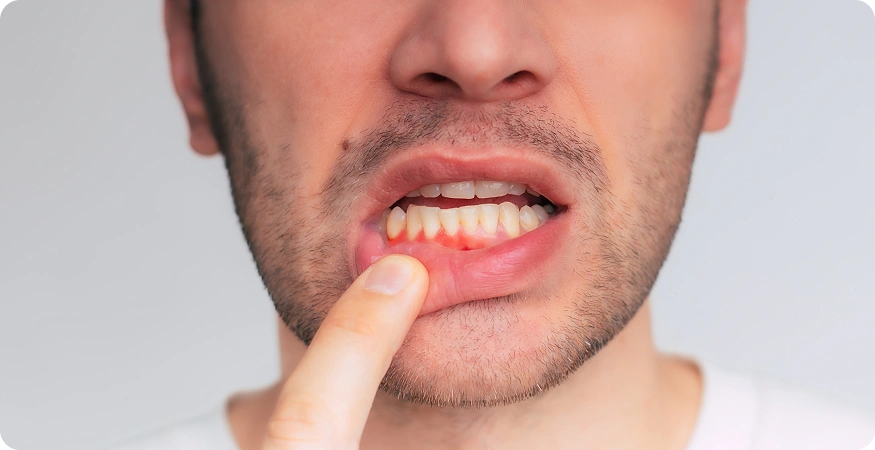
Some stains are harmless while others are signs that your tooth is struggling internally. Knowing when to seek help matters more than people think.
You should see a dentist immediately if you notice:
Pain isn’t always present right away. Sometimes the tooth nerve slowly dies over weeks, which makes early evaluation very important.
Finding the exact cause requires more than just looking at the stain. Dentists examine the enamel, tooth structure, gums, and surrounding bite pattern carefully.
The diagnosis usually includes:
In cases involving jaw tension or teeth grinding, bite pressure may also be evaluated because excessive force can affect long-term tooth health.
The right treatment for teeth discoloration depends on what’s causing the color change. Surface stains usually need cosmetic treatment, while internal discoloration may require restorative dental care.
Professional cleaning removes plaque, tartar, and mild surface stains that regular brushing can’t clean properly. Dentists usually recommend it for yellow or brown discoloration caused by plaque build-up.
Professional teeth whitening lightens stains caused by coffee, tea, smoking, and other external factors. Dentist-supervised whitening gives more even results and protects the enamel better than DIY whitening products.
If tooth decay causes the discoloration, dentists remove the damaged portion and restore the tooth with a filling. This treatment stops the decay from spreading and improves the tooth’s appearance.
Dentists recommend a root canal when the tooth nerve gets infected or damaged after trauma. This treatment helps save the tooth and treats grey or dark discoloration caused by internal damage.
Dental bonding and veneers cover stains that don’t improve with whitening treatments. These cosmetic procedures restore a more natural and even tooth color.

Not every case can be prevented fully, but good oral habits reduce the risk significantly. Small daily habits actually matter more than people realise.
Helpful prevention tips include:
People who grind or clench their teeth at night should especially avoid delaying treatment because constant pressure can slowly affect both teeth and jaw health.
Sudden teeth discoloration can happen due to plaque build-up, tooth decay, trauma, infection, or internal tooth damage. In some cases, it may also appear along with jaw pain, teeth grinding, clenching, or bite-related discomfort. Identifying the cause early can help prevent further damage and protect your overall oral health.
If you’re experiencing these symptoms, it’s important to get them evaluated properly. At The Right Bite TMJ Care, our experts will assess your teeth, jaw function, and bite alignment to identify the root cause and recommend the right treatment. Contact us today for personalised care and long-term oral health support.
Yes. Constant jaw clenching and teeth grinding can weaken enamel and place pressure on the tooth structure. Over time, this may lead to cracks, sensitivity, and discoloration in certain teeth.
When one tooth suddenly becomes darker, it often points to internal damage caused by trauma, deep decay, nerve damage, or infection. A dentist should examine the tooth early to prevent further complications.
Teeth whitening helps remove surface stains caused by smoking, food, or plaque. However, discoloration caused by trauma, infection, or internal tooth damage usually needs restorative dental treatment instead of whitening alone.
Contact us
Our other blogs
Snoring and Dry Mouth: Causes, Connection and When to Seek Help
You wake up with a parched mouth, a sore throat and the feeling that your sleep did not do much good. Your partner, meanwhile, may

How to Improve Sleep: Simple Tips to Sleep Better and Wake Up Refreshed
You can spend eight hours in bed and still wake up feeling like you have barely slept. Your alarm rings, you hit snooze, then finally
Sports Mouth Guard vs Dental Mouth Guard: Key Differences
A mouthguard can look like a simple piece of plastic, but choosing the wrong type can leave your teeth, jaw, and dental work inadequately protected.
WhatsApp us